
Recycled Plastic Pallets & Recycled Materials Basics

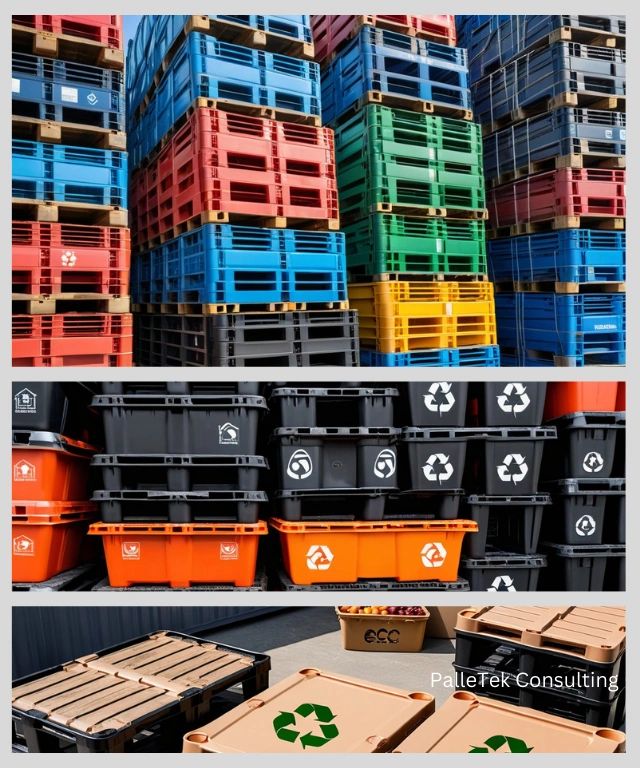
Recycled Plastic Pallet Basics
Crafting plastic pallets from recycled plastics offers an array of significant benefits that make it a highly advantageous endeavor. By repurposing discarded plastics, this eco-friendly solution helps reduce plastic waste accumulation and environmental pollution. Importantly, the recycling of plastics into pallets diverts valuable materials from landfills and oceans, helping to mitigate the detrimental environmental impacts of plastic pollution. This increasingly popular circular economy model approach not only promotes resource conservation but also supports the development of a more sustainable industrial infrastructure.
With their versatility, cost-effectiveness, and environmental benefits, plastic pallets crafted from recycled plastics represent a compelling solution that aligns with the growing global demand for eco-friendly, innovative, and economically viable products. Cabka, a leading producer of pallets and large containers from recycled materials expresses a commitment to sustainability, Companies have to work sustainably, not just because it’s the right thing to do, but also because customers expect it.
Logistics & Distribution
Plastic pallets produced from recycled materials are remarkably durable and long-lasting, often outlasting their wooden counterparts by years or even decades with proper care. This durability translates to reduced replacement costs and fewer resources consumed over time. Importantly, plastic pallets are also much lighter than their wooden equivalents, often weighing 30-50% less. This lighter weight makes them easier to handle and more efficient and cost effective to transport. By reducing fuel consumption and emissions associated with shipping and logistics, this further enhances the long-term sustainability of the product.
When it comes to the transportation of goods by air, the weight of the cargo and its delivery method can have a significant impact on fuel consumption and overall efficiency. This is where the use of lightweight, nestable pallets made from recycled plastic materials becomes an increasingly attractive option. These specialized pallets are designed to be significantly lighter than their traditional wooden counterparts, often weighing a mere fraction of the standard pallet. This reduced weight directly translates to lower fuel requirements for aircraft, as the planes do not have to expend as much energy lifting and moving the lighter cargo.
Additionally, the nestable design of these pallets allows them to be stacked and stored efficiently, taking up less space both on the aircraft and cargo facilities. This space-saving capability further enhances logistics and reduces the number of flights or transport vehicles needed, again leading to substantial fuel savings.
Beyond the environmental benefits of reduced emissions, the lightweight and compact nature of these recycled plastic pallets also makes them easier to handle, load, and unload, streamlining the entire airfreight process and improving overall productivity.
As businesses and logistics providers continue to seek ways to get closer to the circular economic model, optimize their operations and minimize their carbon footprint, the adoption of these innovative, eco-friendly pallet solutions is becoming increasingly widespread, offering a smart and sustainable solution for the air cargo industry.
Returnable Transport Packaging
Returnable Transport Packaging (RTP) systems that utilize recycled plastic pallets offer a sustainable alternative to the traditional reliance on single-use packaging materials. In these closed-loop systems, sturdy, durable plastic pallets are used to transport products between various points in the supply chain, whether that’s from a manufacturer to a distribution center, or from a wholesaler to a retail location. Rather than discarding the pallets after a single use, they are carefully collected, returned, and cleaned so they can be reused over and over again. This circular approach drastically reduces the amount of waste generated, as the same pallets can facilitate the movement of goods for years on end. It’s a win-win, allowing businesses to transport their products efficiently while also demonstrating a commitment to more eco-friendly logistics practices that minimize waste and resource consumption.
Industrial Use
Returnable Transport Packaging, also called, Returnable Transport Items (RTI), can be used in many industries, including the most popular in the mainstream: automotive, food and beverage, pharmaceutical, healthcare, aerospace, manufacturing, cold storage, chemical, hazardous materials, and consumer electronics. By integrating recycled plastic pallets into their RTP systems, companies can enhance the sustainability of their supply chains, cutting down on the environmental impact of single-use packaging materials.
The plastic construction of these pallets also makes them highly resilient, able to withstand the rigors of repeated handling and transport without degrading. This stands in stark contrast to wooden pallets, which are more prone to damage, splintering, and breakdown over time.
Moreover, plastic pallets maintain structural integrity and are inherently resistant to moisture, rotting, pest infestations, and other environmental factors that can quickly degrade traditional wooden pallets. This leads to a longer usable lifespan and reduced replacement costs for businesses.
Additionally, the smooth, nonporous surfaces of recycled plastic pallets are simple to clean and sanitize, reducing the risk of contamination and making them well-suited for use in sensitive industries like food and pharmaceuticals. By embracing the production of plastic pallets from recycled materials, businesses can demonstrate a meaningful commitment to sustainability, reduce their environmental footprint, and capitalize on the endless practical advantages these innovative products provide.
Warehouse Operations
Using recycled plastic pallets as an eco-friendly alternative to traditional wooden pallets can have a significant positive impact in warehousing operations. Wooden pallets, while commonly used, contribute to deforestation and the consumption of new natural resources. In contrast, plastic pallets made from recycled materials offer a more sustainable solution that helps reduce waste and the demand for virgin plastics and timber. These durable, lightweight plastic pallets are designed to be reused and recycled repeatedly, minimizing their environmental footprint.
Retailers and e-commerce companies use plastic pallets in warehouses, as they are lightweight, stackable to maximize storage space when not in use, and compatible with automated systems. Recycled plastic pallets are often designed with precise measurements and smooth surfaces, making them compatible with automated warehouse systems. Standardized pallets improve efficiency in automated facilities by reducing handling errors.
By transitioning to recycled plastic pallets, warehouses and logistics providers can showcase their commitment to sustainability while also enjoying practical benefits like improved hygiene, easier cleaning, and the ability to safely transport heavier loads. Overall, the use of recycled plastic pallets represents a smart, eco-friendly alternative that aligns with growing demands for greener supply chain practices and helps organizations reduce their environmental impact through more circular material use.
Sustainability

Sustainability, in general terms, is a multifaceted concept that encompasses the responsible and efficient use of resources to meet the needs of the present without compromising the ability of future generations to do the same. At its core, sustainability is about striking a balance between environmental, social, and economic considerations to ensure long-term viability and well-being.
From an environmental standpoint, sustainability involves minimizing the depletion of natural resources, reducing waste and greenhouse gas emissions, and preserving the delicate ecosystems that sustain all life on our planet. This might involve transitioning to renewable energy sources, implementing circular economies that reuse and recycle materials, and adopting sustainable agricultural and forestry practices.
Socially, sustainability means fostering inclusive, equitable, and resilient communities that provide access to healthcare, education, and economic opportunities for all. Businesses and organizations that embrace sustainability often focus on improving labor conditions, supporting local economies, and giving back to the communities in which they operate.
Economically, sustainability calls for models of growth and development that are not dependent on the unsustainable extraction and consumption of finite resources. Sustainable economies leverage innovation, technology, and renewable inputs to create lasting prosperity while minimizing environmental impact. Ultimately, sustainability is a holistic framework for ensuring the long-term viability of our planet and the wellbeing of all its inhabitants – a guiding principle for creating a more just, prosperous, and environmentally-conscious future.
In the ongoing debate surrounding sustainable industrial practices, the use of recycled plastic pallets presents a compelling case for adoption. Far more than just a practical transportation solution, these repurposed platforms offer a multitude of benefits that address pressing environmental concerns.
Crafted from discarded plastic waste, recycled pallets give new life to materials that would otherwise contribute to the growing global plastic crisis. Moreover, the manufacturing process for recycled pallets requires far less energy and emits significantly lower greenhouse gas emissions compared to their virgin plastic counterparts. This reduced carbon footprint is a critical factor in the race to mitigate climate change and preserve the health of our planet for future generations.
Beyond the environmental advantages, recycled plastic pallets also demonstrate impressive durability and longevity, often outlasting their wood and virgin plastic alternatives. This extended lifespan translates to cost savings for businesses, as the need for frequent replacement is minimized.
When the useful life of a recycled plastic pallet occurs, here is what one plastic pallet producer, Cabka, has listed in their Sustainability Mission Statement, we are developing lighter, more efficient reusable products which at the end of their lifespan are fully recycled and channeled back into production.
Ultimately, the adoption of recycled plastic pallets represents a practical, economical, and environmentally responsible choice that aligns with the growing global demand for sustainable industrial practices. As we strive to build a more circular economy, these repurposed platforms offer a tangible solution that addresses the plastic pollution crisis while supporting the prosperity of businesses and communities alike.
Cabka North America, Inc.
Address:123 Byassee Dr, Hazelwood, MO 63042
Contact: Phil Cali
Email: p.cali@cabka.com
Phone: (312) 320-9943
#PLASTICPALLETS #SUSTAINABILITY #PALLETINNOVATION #RECYCLEDPALLETS
Expert Supply Chain Business Consulting for Your Business!
PalleTek Consulting, the experienced Business and Consulting Team & Supply Chain Management source for procurement, pallets, warehouse operations, logistics/distribution, and financial management consulting. Contact the Supply Chain Management Consulting experts today to learn how PalleTek can help you substantially increase business profits.